

If you manage multiple income streams, operate as an independent professional, or are actively building financial stability, you know that proper planning goes far beyond just the money hitting your account. In the American market, a single three-digit number dictates the actual size of your opportunities: your Credit Score.
Whether you want to finance a new vehicle for work, purchase a family home, or secure credit cards with premium rewards, a high credit score saves you thousands of dollars in interest fees. But how exactly does this system work for those with flexible revenues, and how can you move that number in your favor?
In this guide, you will learn the exact step-by-step process to check and how to boost credit score consistently.
What is a Credit Score and Why is it Critical?
A credit score is essentially the grade financial institutions give to your trustworthiness as a borrower. In the US, the three major credit bureaus (Equifax, Experian, and TransUnion) collect data from your financial history to calculate this score, which ranges from 300 to 850 points.
For those carrying multiple streams of income or working independently, a credit score is even more vital. Because your monthly revenue can fluctuate, banks and lenders rely heavily on your credit history to decide whether to approve a financing request and to determine your interest rates.
Step 1: How to Check Your Credit Score for Free Without Hurting Your Points
Many people worry that checking their own score will drag the numbers down. This is a complete myth. There is a fundamental difference between a Soft Inquiry (checking your own history) and a Hard Inquiry (when a lender reviews your credit for a formal loan application). Your personal check does not drop any points.
To monitor your financial health practically, you can utilize highly popular free tools available in the market:
- Credit Karma: Excellent for monitoring TransUnion and Equifax credit reports in real-time right from your phone.
- Experian App: Allows you to track your score directly with the nation’s leading credit bureau and offers complimentary monitoring features.
Step 2: The Core Factors That Determine Your Score (Where to Focus)
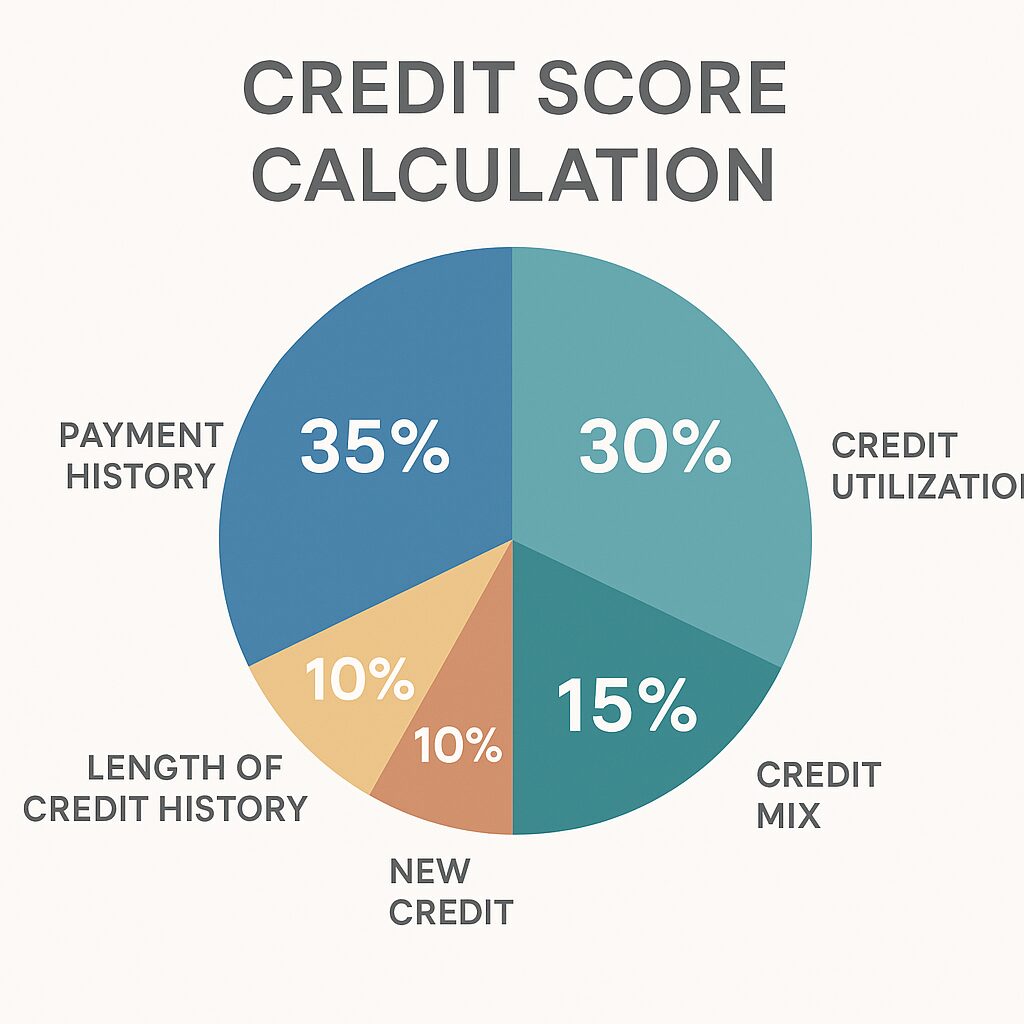
To understand how to boost credit score targets, you need to look at how the calculation is divided. Your score is based on 5 main components:
- Payment History (35%): This carries the heaviest weight. Paying your bills on time is the number one requirement to keep a top score. A single late payment past 30 days can ruin months of progress.
- Credit Utilization (30%): This measures how much of your available credit card limits you are using. The golden rule is to keep this below 30%. If your total limit is $1,000, try never to let the reported balance exceed $300.
- Length of Credit History (15%): The older your open accounts and cards are, the better. Lenders want to see long-term behavioral consistency.
- Credit Mix (10%): Holding diverse types of active credit (such as a credit card alongside a vehicle financing plan) proves you can handle multiple financial dynamics.
- New Credit (10%): Avoid applying for multiple credit cards or loans within a short time frame. Each application triggers a Hard Inquiry, which temporarily reduces a few points from your score.
Step 3: How to Boost Credit Score Metrics with a Flexible Income
If your income varies from month to month, your technical discipline regarding credit cards must be flawless. Here are three practical tactics that truly deliver results:
- Pay before the statement closing date: If you used your card heavily during a high-revenue month, pay off a portion of the balance before your statement closing date. This is the exact date banks report your utilization to the credit bureaus. Paying early makes your utilization appear low to the system.
- Automate your minimum payments: To guarantee that a busy schedule or daily hustle never causes you to miss a due date, set the minimum payment for all your cards to Auto-Pay.
- Request credit limit increases (Without spending more): If you have maintained a positive relationship with your bank for over 6 months, request a credit limit increase via their app or phone support. If your limit goes up while your spending habits remain steady, your credit utilization rate drops automatically, triggering a score increase.
Prepare Your Foundation for Major Milestones
Building and protecting a solid credit score is a medium-term strategic process. This score is the precise foundation that allows you to purchase better equipment for your business, upgrade your work vehicle under fair rates, or secure your family home with confidence.
However, remember: there is no use having perfect credit to acquire major assets if you do not carry a reliable shield around your income and family structure to protect those assets if an unexpected health situation hits.
🛡️ Protect Your Credit and Your Wealth
Gaining access to top credit is a massive milestone, but keeping your achievements safe against life’s unpredictable moments is the true secret to long-term prosperity. Want to discover how to align your credit strategy with professional asset protection tools?
Click here to schedule a free consultation with Leandro Santiago and build your personalized financial protection plan today.